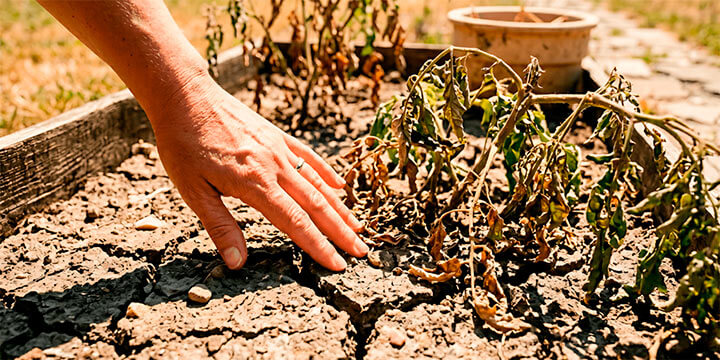
As we prepare for another El Niño season, one question becomes increasingly important: what happens to power systems when a critical energy resource such as water becomes scarce?
For Latin America and the Caribbean, where hydropower has historically been one of the pillars of electricity supply —accounting for 47% of the region’s power mix over the past twenty years (Ember, 2026)—drought is not only an extreme hydrological event but also an energy shock.
When reservoir levels fall and river flows decline, power systems must adjust to maintain electricity supply. How these systems respond has important implications for reliability, affordability, CO₂ emissions, and long-term investment decisions in the electricity sector.
A study by the Inter-American Development Bank (IDB), Powering Through Drought: The Impact of Water Scarcity on Electricity Generation, provides rigorous evidence on this challenge using the case of Chile, where hydropower accounted for 31% of the country's generation portfolio over the past two decades.
Using plant-level generation data combined with watershed-level hydrological information, we examine how droughts affect electricity generation, how power systems respond when hydropower output declines, and the implications of these responses for emissions and long-term investment.
What Happens to Electricity Generation When Water Becomes Scarce?
The results are clear. Local droughts —defined as periods when the 12-month cumulative runoff anomaly in a power plant’s watershed falls more than one standard deviation below its historical average— reduce hydropower generation by approximately 25%, confirming the vulnerability of electricity systems to hydrological variability.
However, the story does not end there. Power systems adapt. As hydropower generation declines, thermal power plants with spare capacity increase their output to preserve system reliability in the short term.
This response is essential because it helps maintain electricity supply during periods of water scarcity. Yet it also involves an important trade-off: the same adjustment that protects reliability can increase local air pollution.
The study finds that emissions from thermal power plants with spare capacity increase by nearly one-third during systemic droughts, adding approximately 1.5% of Chile’s annual emissions. In other words, drought creates a double burden: affected areas face water scarcity while the electricity system relies more heavily on more polluting generation sources.
Implications for Latin America and the Caribbean
This evidence is especially relevant for Latin America and the Caribbean. Hydropower remains a cornerstone of electricity generation across the region, and in some countries, it represents more than half of the generation portfolio.
This has served as an advantage, enabling low-emissions electricity systems. However, it also leaves countries significantly exposed to hydrological variability and other climate-related hazards. In the Andean region, northern South America, and the Pacific coast of Central America, El Niño can reduce water availability, increase uncertainty, and force countries to operate their electricity systems under stress.
The policy lesson is not that countries should abandon hydropower. Hydropower will continue to play an important role by providing flexibility, storage, and low-carbon generation. Rather, hydropower-dependent systems must prepare for a future in which water availability is less predictable.
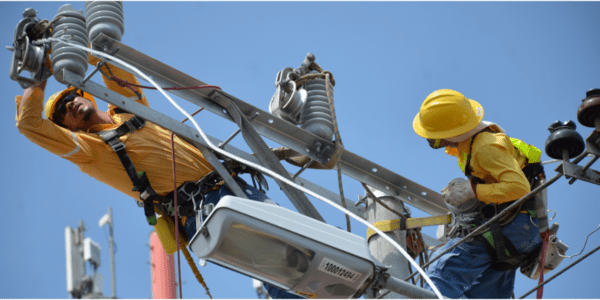
Three Priorities for Strengthening Power Systems Against Drought
Building greater resilience to drought requires action across three priority areas:
Explicitly incorporate extreme drought risk, hydrological variability, and extraordinary hydrological changes into national power-sector planning methodologies, including scenarios with more frequent and severe water shocks.
Diversify and increase the flexibility of generation portfolios by promoting technology-neutral electricity systems aligned with each country's resource endowment and development objectives. The goal is not to prescribe a specific technology but to ensure sufficient flexibility to respond to shocks at the lowest possible environmental, economic, and social cost.
Consider the local impacts of system responses. When thermal power plants compensate for declining hydropower generation, environmental costs may be concentrated in specific communities. Resilience planning should therefore address not only security of supply but also local pollution and its distributional impacts.
El Niño reminds us that shifting weather and hydrological patterns are not distant risks. For Latin America and the Caribbean, the challenge is to respond to this risk with better planning by building electricity systems capable of withstanding droughts, preserving reliability, and protecting households and businesses.
Power systems can adapt and become resilient to drought. Doing so, however, requires anticipation and coordinated energy planning to minimize the economic and social costs of this climate event.
Learn more in our publication: Powering Through Drought: The Impact of Water Scarcity on Electricity Generation.